DEPARTMENT OF CIVIL ENGINEERING
The Department of Civil Engineering at Shridevi Institute of Engineering and Technology was established in the academic year 2011–12. The Department offers undergraduate, postgraduate, and research programs in Civil Engineering.
The curriculum for both UG and PG programs is designed by Visvesvaraya Technological University (VTU), Belagavi, to ensure that students are well-prepared to meet industry requirements while also encouraging them to pursue research in the vast and diverse areas of Civil Engineering specialization.
The Department consists of a team of experienced, professionally and technically qualified faculty and staff members. It is also equipped with state-of-the-art laboratory facilities, including the Concrete and Highway Laboratory, Geotechnical Engineering Laboratory, Environmental Engineering Laboratory, Strength of Materials Laboratory, Fluid Mechanics Laboratory, Geology Laboratory, Surveying Laboratory, and CAD Laboratory.
OUR VISION
To impart quality education and develop the essential skills required for students to analyze and design structures, such as buildings, and assess their ability to withstand various environmental conditions.
OUR MISSION
• Provide students with the necessary training in the areas of design, construction, and management.
• Enhance students' capabilities in structural analysis and modeling.
HOD PROFILE
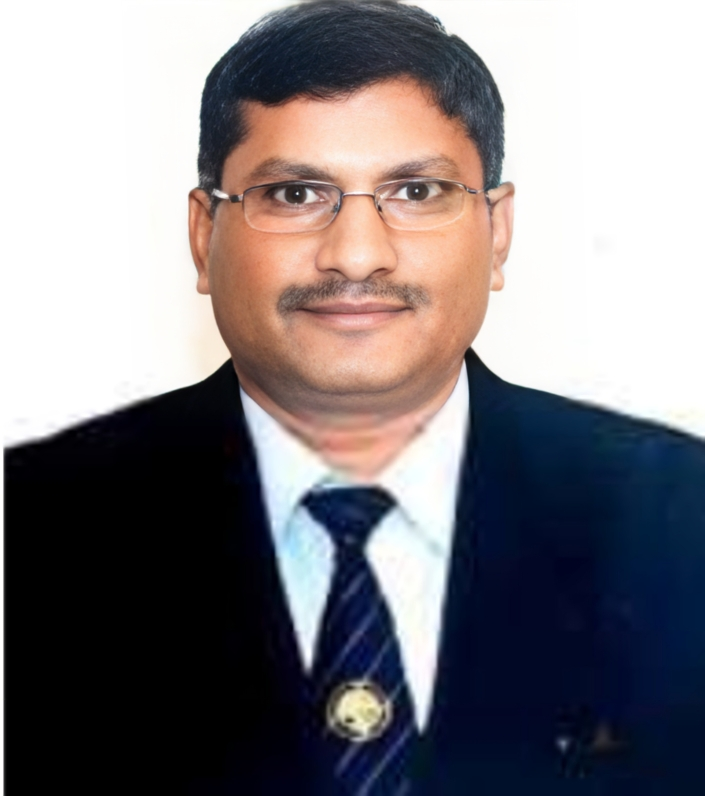
A hearty welcome to the Department of Civil Engineering at Shridevi Institute of Engineering and Technology (SIET), Tumakuru.
Our Department strives to provide quality training and learning opportunities to students through industry interactions and hands-on training, enabling them to meet the requirements of modern industries and enhance their placement prospects.
Our students are provided with various placement and training activities, skill development programs, live project opportunities, and internships to enhance their technical and professional competencies.
Financial assistance is also provided to students for project work undertaken under Karnataka State Council for Science and Technology (KSCST)-sponsored projects and VTU-funded projects
The Department of Civil Engineering primarily focuses on providing students with the essential knowledge and skills required not only for the construction of buildings but also for selecting appropriate materials to ensure the construction of safe, reliable, and durable structures.
Students are trained to analyze and design structures, ensuring their stability and ability to withstand various environmental forces and loads. They also gain proficiency in using engineering software for structural modeling and design optimization, thereby ensuring structural integrity and enhancing the overall performance of structures.
Upon completing the course, students can pursue various career paths, such as becoming building contractors, transportation engineers, or geotechnical engineers.
Transportation Engineers: Transportation engineers focus on the planning, design, and operation of transportation systems, including roads, highways, railways, airports, and ports. They work to improve traffic flow, enhance safety, and reduce environmental impacts through the development of efficient and sustainable transportation networks.
Geotechnical Engineers: Geotechnical engineers study the behavior of soil and rock materials and assess their suitability for construction projects. They analyze subsurface conditions, design foundations, slopes, and retaining structures, and mitigate risks associated with soil instability, landslides, and earthquakes.
➊ Comprehensive Curriculum: The Civil Engineering program offers a comprehensive curriculum covering fundamental principles and advanced topics in structural engineering, geotechnical engineering, transportation engineering, environmental engineering, and construction management.
➋ Hands-on Learning: Emphasis is placed on practical learning through laboratory experiments, fieldwork, and design projects, allowing students to gain hands-on experience in applying engineering principles to real-world problems.
➌ Cutting-edge Research: Opportunities to participate in research projects enable students to explore innovative solutions to complex engineering challenges and contribute to advancements in the field of Civil Engineering.
➍ Industry Partnerships: Collaborations with industry partners provide students with internship opportunities and help bridge the gap between academic learning and professional practice.
➎ Sustainability Focus: With a growing emphasis on sustainability, the program integrates concepts such as green building design, renewable energy, and environmental conservation into the curriculum, preparing students to address pressing global challenges.
➏ Professional Development: Workshops and seminars help students develop essential skills in communication, leadership, and project management, thereby enhancing their readiness for professional careers.
➐ Multidisciplinary Approach: Students are encouraged to integrate knowledge from different domains, such as architecture, urban planning, and environmental science. This approach provides them with a comprehensive understanding of the multidimensional aspects of Civil Engineering.
➑ Global Perspective: Students are provided with opportunities to undertake courses and learning programs offered by reputed international institutions, helping them develop a broader global perspective.
➒ Innovation and Entrepreneurship: Innovation and entrepreneurship are encouraged through initiatives such as incubation programs, startup competitions, and industry partnerships, empowering students to transform their ideas into viable solutions and entrepreneurial ventures.